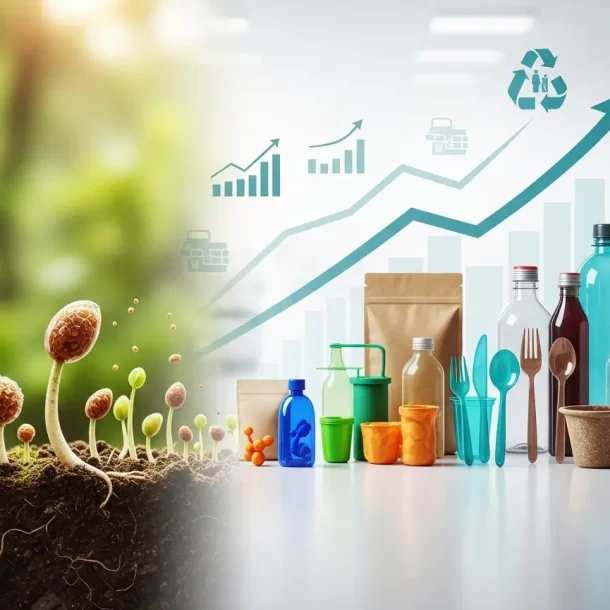

The term, coined in the 1980s by environmentalist Jay Westerveld, often involves vague buzzwords like “eco-friendly,” “natural,” or “sustainable” without measurable evidence or independent third-party verification. And, of course, the color green used in branding and packaging of goods is a must for implementing successful greenwashing techniques. Greenwashing occurs when a company promotes itself as environmentally responsible without backing it up with meaningful, measurable action. Data on corporate environmental responsibility is often presented in obscure terms, relying on deliberate statistical misrepresentations. The goal is simple – to polish a brand’s image and boost sales without the hard work of reorganizing supply chains to make use of sustainable materials, swallowing a ‘green’ premium, and actually reducing environmental impact.
Contrast this with true sustainability efforts, which prioritize measurable outcomes—like reducing carbon emissions, minimizing waste, or transitioning to renewable resources with comprehensive and transparent life cycle analyses behind them—over mere optics. Genuine sustainability is rooted in transparency, accountability, and long-term commitment, often validated by certifications from organizations like the American Society for Testing and Materials.
Authentic sustainability efforts go beyond PR stunts. Take Patagonia, the outdoor apparel company, which invests in durable, repairable products, uses significant amounts of recycled materials (with detailed supply chain transparency), and donates profits to environmental causes. Or consider Interface, a carpet manufacturer that slashed its carbon footprint by rethinking production processes and adopting renewable energy, all while publicly tracking progress toward its “Mission Zero” goals. On the biomanufacturing side of things, Solugen is a great example. They use plant-based feedstocks to produce high-performance, carbon-negative chemicals, such as hydrogen peroxide and glucaric acid, with minimal emissions and waste.
These companies don’t just talk the talk—they walk it, prioritizing impact over image.
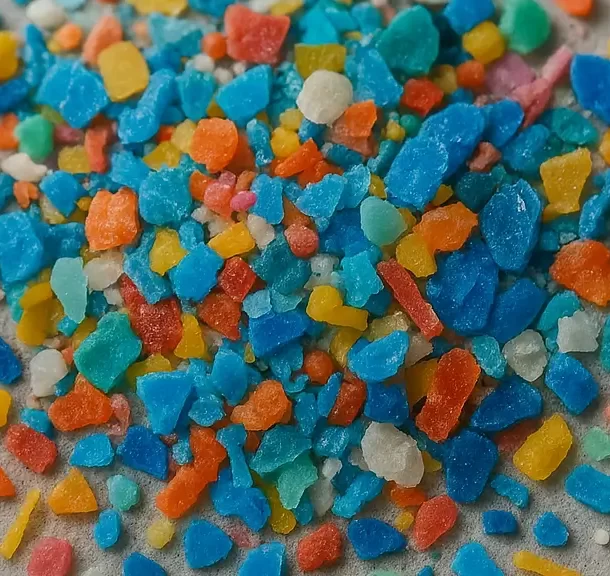
Bioplastics—plastics derived from renewable and sustainable sources like corn, sugarcane, and different waste streams—have become a flashpoint in the greenwashing debate. While they sound promising, not all bioplastics are created equal. Let’s break down two key types: PLA (polylactic acid) and PHA (polyhydroxyalkanoates), and how they’re used (or misused) by companies.
PLA, made from fermented plant sugars (often corn), is widely marketed as a biodegradable alternative to traditional plastics. You’ll find it in everything from coffee cups to packaging. However, PLA’s eco-credentials are shaky. It only breaks down in industrial composting facilities with specific heat and moisture conditions—conditions that cannot be met in home composts or landfills. Moreover, if PLA ends up in recycling streams, it can contaminate conventional plastic recycling (further reducing its already appalling efficiency). Companies love PLA because it’s cheap and sounds green, but without proper disposal systems, it’s little more than a feel-good gimmick. For example, some brands slap a “compostable” label on PLA products without explaining the fine print, misleading consumers into thinking they’re making a sustainable choice.
PHA, typically produced by microorganisms that ferment organic matter, is a genuinely biodegradable bioplastic. Unlike PLA, PHA breaks down in natural environments—like soil, oceans, or home composts—without requiring specialized facilities and without leaving microplastics behind. It’s a versatile, renewable material that aligns with a circular economy. Companies are scaling PHA production for applications like straws, films, and coatings. However, PHA’s higher cost and slower production rates mean it’s less common than PLA, limiting its adoption. When a company uses PHA and invests in its lifecycle (from sourcing to disposal), it’s a sign of serious sustainability—not just a marketing ploy. Efforts dedicated to improving PHA’s affordability and scalability are critical to its future success.
So how can consumers tell greenwashing from the real thing? Look for specifics: vague terms like “green” or “natural” are red flags, while hard data—like “50% reduction in emissions by 2030, verified by X”—signal credibility. Check for third-party certifications, and dig into a company’s broader practices. With bioplastics, ask: Does this degrade in my backyard, or only in a rare facility? Is the company upfront about limitations? The ExxonMobil case, for instance, underscores the importance of skepticism—claims of recyclability mean little if the infrastructure or intent isn’t there.
Greenwashing preys on good intentions, cloaking business-as-usual in a thin green veneer—whether it’s Volkswagen’s doctored emissions, ‘sort of’ compostable bioplastics, or ExxonMobil’s overstated recycling promises. True sustainability, meanwhile, demands effort, innovation, and honesty—qualities exemplified by companies tackling tough challenges head-on, whether through regenerative agriculture or cutting-edge materials like PHA. As for bioplastics, the divide between PLA and PHA mirrors the gap between hype and hope. Next time you see an “eco-friendly” label, take a closer look—it might just be a shade of green paint over a less-than-sustainable reality.
 TM
TM
TM
TM
We are a team of molecular biologists, geneticists, engineers, and data scientists brought together by the desire to solve difficult problems with far-reaching implications.
Address
423 Hindry Ave, Suite B, Inglewood, CA 90301, United States
© 2025 All Rights Reserved. Website by Astrael